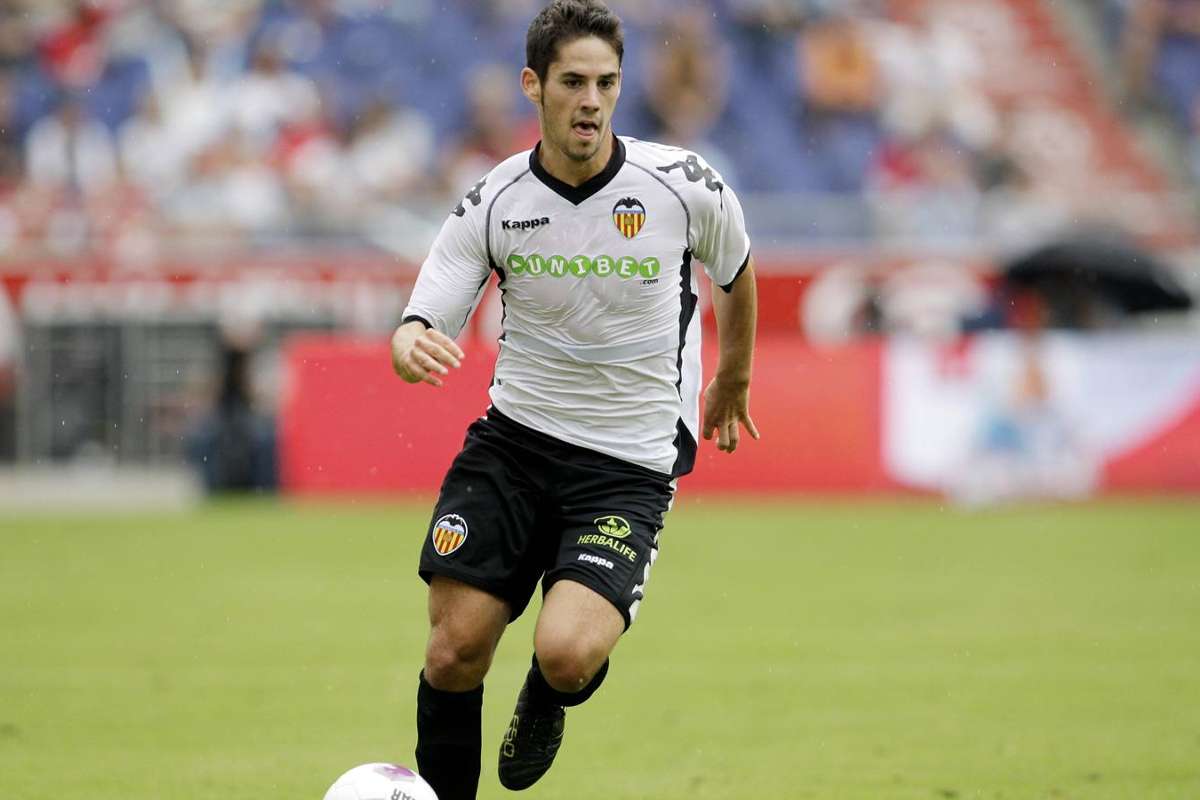
Valencia (2006-11)
Isco started his career out in Valencia’s youth system, making his professional debut on the 11th of November 2010 against UD Logroñés in a 4-1 victory in the Copa del Rey. He went on to play six more games for the first team that season, as he simultaneously played for the second team.
Málaga (2011-13)
In 2011, Málaga activated Isco’s release clause of six million euros, bringing him back to his home city. In his first season, he helped the club qualify for the Champions League for the first time in their history. In the 2012/13 season, Isco broke through as Málaga’s best player, scoring 12 goals and providing 5 assists in all club competitions. Málaga managed to make the Champions League quarterfinals but were controversially eliminated by Borussia Dortmund with a goal that should’ve been ruled out due to offside in the 93rd minute. After an eventful second season, rumours began to spread that a big offer could come in for the Spanish midfielder.

Real Madrid (2013-22)
In the summer of 2013, Isco won the Under-21 European Championship and shortly after, Real Madrid finalized his signing, reaching an agreement with Málaga for 30 million euros. In his debut season, he scored 11 goals and provided 8 assists, winning the Champions League and the Copa del Rey. Throughout the next four years until the end of the 2017/18 season, he consistently performed and was a solidified starter for Zinedine Zidane, winning three Champions Leagues in a row.

In the Summer of 2018 Cristiano Ronaldo and Zinedine Zidane both left the club, which was the start of a rough period for Isco and Real Madrid. Isco’s form started to drop after the beginning of the season and towards the end he was progressively losing protagonism and coming off the bench more often. The next season, it was expected that Isco would regain his place in the starting XI with the return of Zinedine Zidane, but Isco was never able to perform consistently again. In the 2020/21 season, he played even less and in his last season at the club, he only started three games and played a total of 408 minutes. It was clear Real Madrid weren’t looking to extend his contract, and he ended up leaving for Sevilla as a free agent.
Sevilla (2022)
In 2022, Isco joined Sevilla, in hopes of reigniting his career, but soon enough it became clear that it wasn’t meant to be, as Sevilla and Isco agreed to terminate their contract just three months after signing a two-year deal. Sevilla’s coach at the time said it was due to Isco not meeting the club’s expectations.

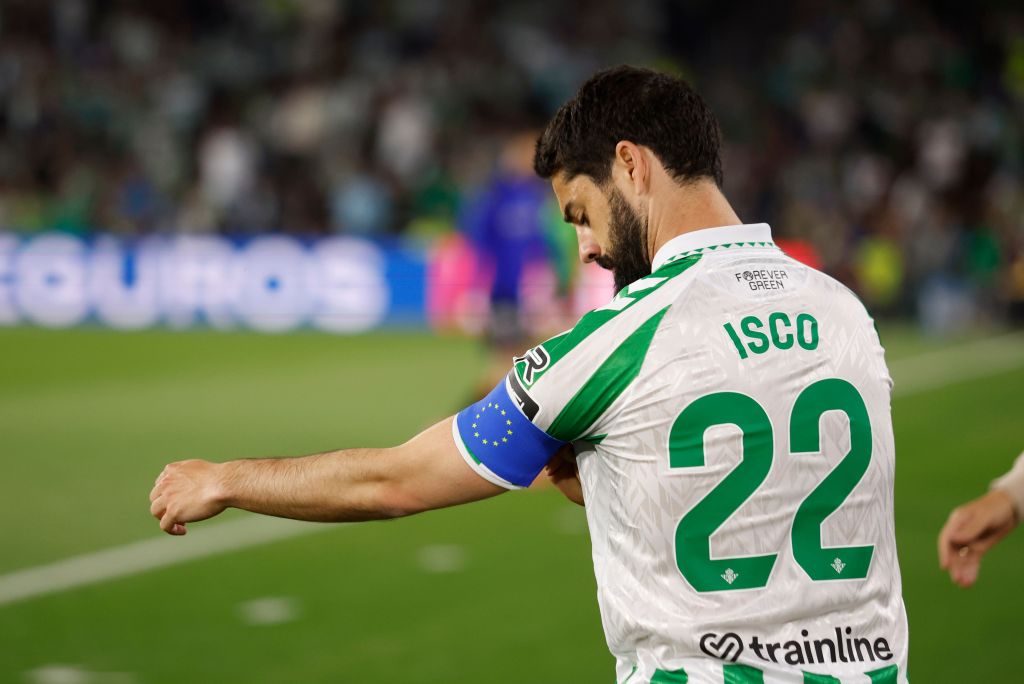
Real Betis (2023-present)
After six months of absence from the pitch, Isco joined Real Betis. This was his last chance to prove he was still able to compete at the highest level, and it didn’t take him long to do so. He left Real Betis fans starstruck with his elegant control and composure, scoring nine goals and providing seven assists in a season that was sadly cut short due to fractures in his fibula shaft. Isco then made his comeback on the seventh of December in 2024, six months after having suffered the injury.

Even though he was only able to play the second half of the season, Isco performed even better than his prior season, scoring 12 goals, providing 11 assists and leading Real Betis to the UEFA Europa Conference League Final. Isco assisted the first goals of the match, but Real Betis couldn’t hold onto the lead and were eventually defeated 4-1 by Chelsea. Isco was named the UEFA Europa Conference League Player of the Season and earned himself his first call-up to the Spanish National team since 2019. After a successful but long and gruelling season, Isco sustained an injury in a pre-season friendly, which will probably sideline him until November.




Leave a comment